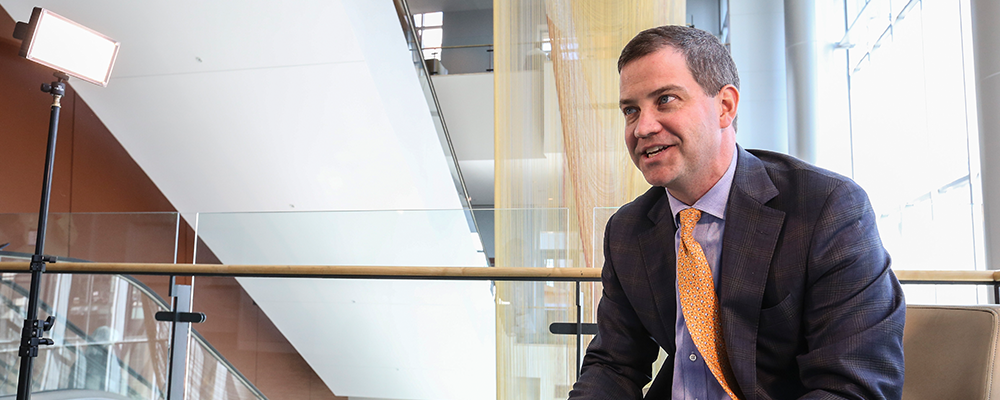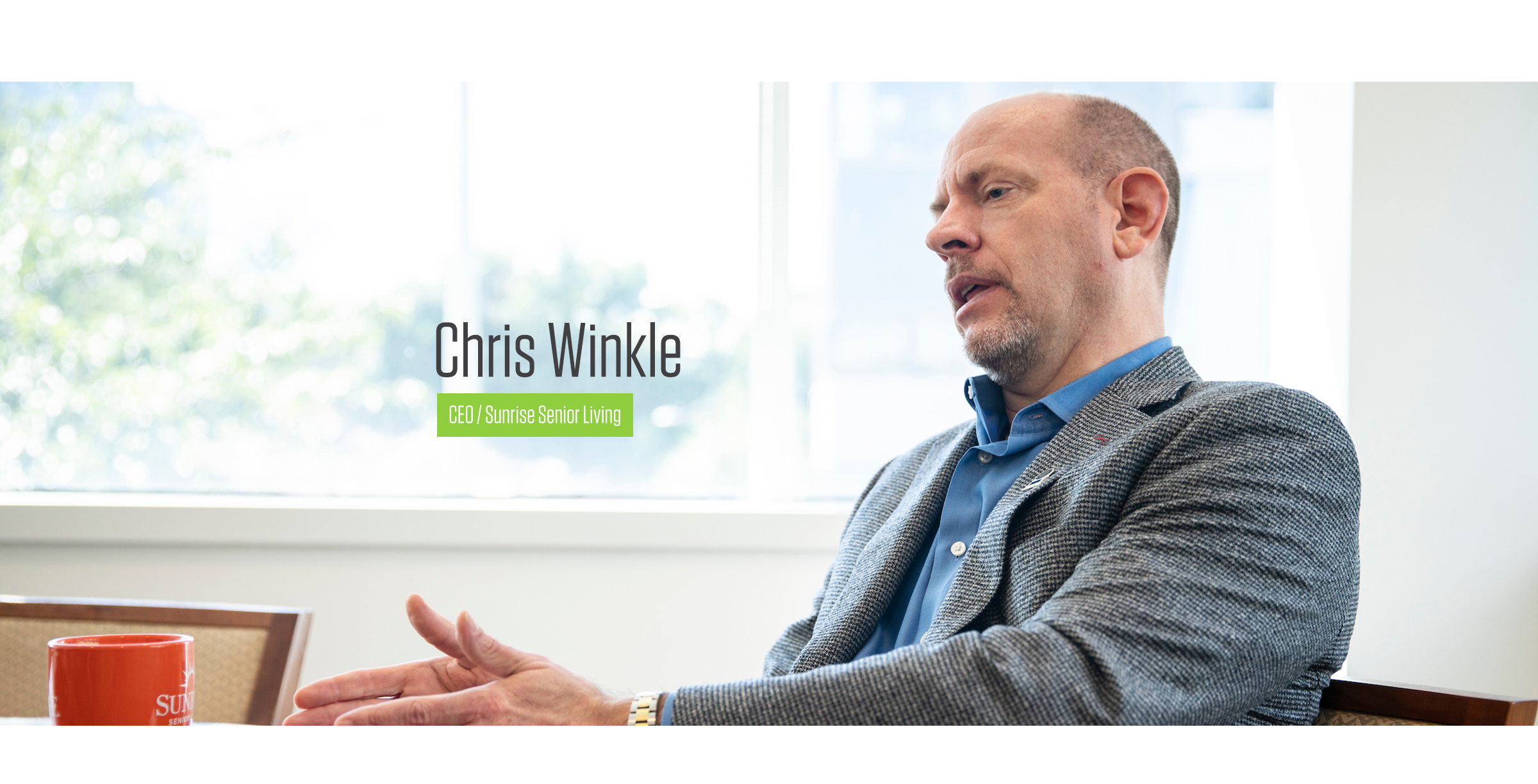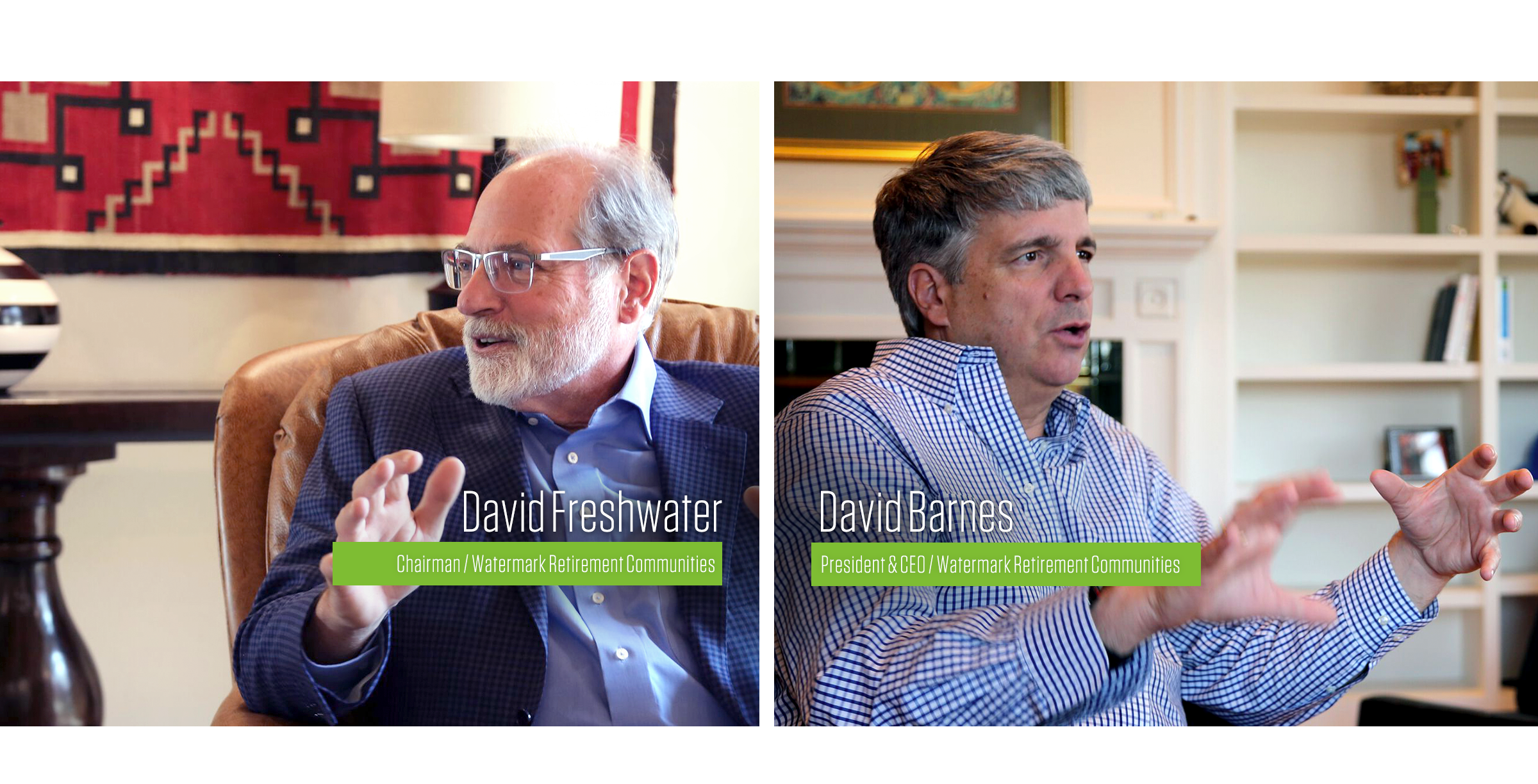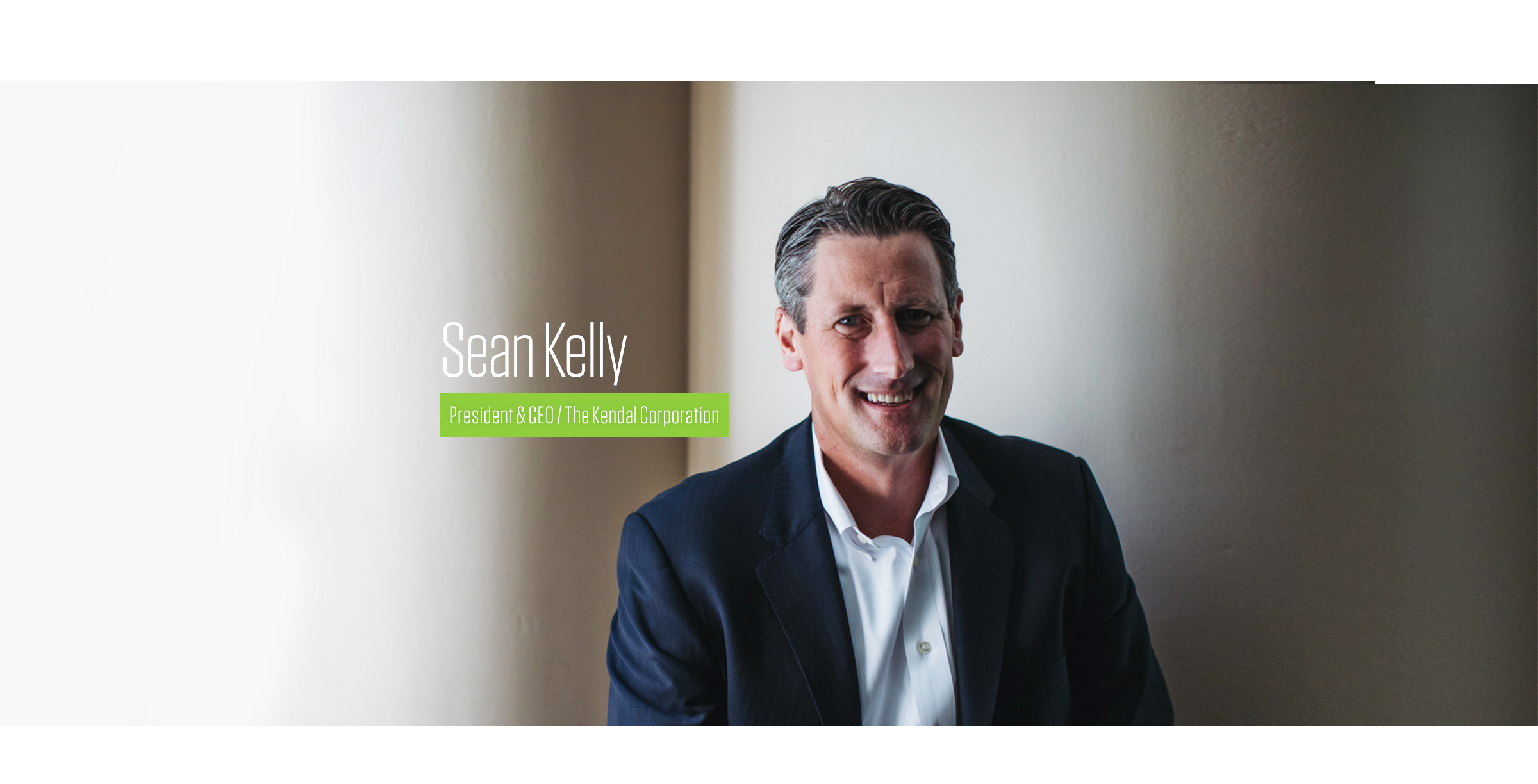




Meet Judd Harper, president of The Arbor Company, an Atlanta-based operator of 32 senior living communities in 10 states. Harper joined the company as a summer employee during his college years, and has since advanced to his current role as president.
Spotlight on Technology
Do you think the industry has done a good job of investing in technology up to this point?
I don’t, because I think there’s so much technology out there, people don’t know what technology to invest in. We see competitors with a lot of shiny technology but even they admit they aren’t quite sure how to use, and the families certainly don’t.
I think affordability is a huge challenge and will continue to be. One of the ways you can address that is to have a more thoughtful use and execution of technology to replace a little of that.
Is Arbor making any technology investments right now?
The primary one is making sure that all of our buildings no matter what their age is are completely wifi capable for residents and for us because a lot of the systems that we run are on the cloud. Our medication management system for instance, is all cloud based, and so we have computers on our med carts, it all has to run on a wifi network. We’re making that investment in our communities right now. We’re testing out all kinds of emergency alert systems, although we haven’t found the perfect option. We are using technology from the perspective of allowing our families to log into a portal to see what engagement activities their loved one has participated in.
So you are using technology it’s just not what you lead with.
We do not lead with technology, no. But we’ve got it working behind the scenes. We were one of the first companies to execute an EMR system across our entire company. Not a health record but the MR aspect of what we do. That’s probably the riskiest thing we do in our business; to give people their medications and help them manage that. [With the EMR we] significantly reduced medication error rates.
As a third-party operator of senior living communities, Arbor does not hold an ownership stake in its communities, which is an intentional decision among its owners. We sat down with Judd to learn about what he saw in senior living in the first place, where he sees staff recruiting as a three-part challenge, and why third-party management offers a unique opportunity for Arbor.
Tell me how you got into senior living.
It’s a pretty simple story. I was in college at Washington and Lee, in Virginia, and I was looking for a summer job as most college students, and I became a marketing intern the summer after my sophomore year in a building that was under construction at the Arbor Company in Knoxville, Tennessee. I worked in the information center trailer with three experienced department heads. I liked it and I loved working with seniors and working with the three leaders but I never knew that it could be a career. The two founders of the company said I should do the same thing the following summer in Athens, Georgia in a community that was under development. I did the same thing there, I lived in the building, in the model. There were no residents, but I lived in the model and the office was across the hall. Then they said I should come to work with them when I graduated. “We’ll pay you a decent wage, we have no clue what you’ll be doing, but come to work for us and we’ll figure it out.” Being in college and thinking I could probably breeze through my senior year and not worry about a job, I said, “Sounds great.” I also enjoyed working with seniors and was looking forward to starting my career in an exciting industry.
What did you end up doing when you joined the company out of school?
The two founders of the company had started the company in 1988, so we’re almost 30 years old. They were in the development business in the 1990s and developed a number of communities. They started a management company in 1988 to manage the first buildings that they had developed. Then in 1998, the year after I was a summer intern, they merged our small company which had nine communities at the time with a national senior living company. It had just bought a big portfolio in the Southeast and they needed management capacity so they came in and bought the Arbor Company to run 45 communities in the Southeast. So I joined them in that time of being merged. The two founders of the company then de-merged from the company in the spring of 2000. So I spent those two summers doing marketing and sales in the information center for buildings that were under construction then whatever they told me to do. When I graduated in the summer of 1999, I was a marketing director in a specific, very small community but really working for the two founders of our company under the larger umbrella. While I was the marketing director there, they were kind enough to give me other projects across the country that dealt with the Arbor Company communities. I was 23 years old and I didn’t know much. When they de-merged they basically had to put the company back together from an operating perspective. It was the two founders, we had a VP of marketing, an accounting team and we had another operations person. So they asked me to come back into their corporate office and the Arbor Company reformed. I was really a troubleshooter in several of the challenged communities because when we de-merged, we brought back probably six or seven communities that were Arbor Terrace communities and that was kind of where we started.
What was it like coming from a large company back to a small company?
Moving back into the smaller company and meeting the EDs our company had hand selected, I noticed that it was just a higher caliber person and leader to run these communities. Maybe smaller companies to some degree have a better chance of attracting better talent because of the culture and relationships in a smaller company. I guess that was my big takeaway from that. And, from a large company perspective, being a sales and marketing director in the community, we felt very detached from corporate.
Is that good or bad?
It was bad. I felt they didn’t understand what was going on. They didn’t understand what happens when you’re a manager on duty working the night shift. I remember telling my girlfriend at the time who’s now my wife, I was called in very shortly into my tenure at the community as a caregiver and I thought I was only going to be dealing with sales and marketing. Somebody on the night shift on the weekend calls out, I’m the manager on duty and I find myself folding underwear over night, doing laundry. That was an eye opener for me just really seeing what happens in a community.
When you had a problem community, was it typically because there was an executive director that wasn’t doing a good job?
They may have had challenges across the board, but one of the apparent weaknesses was running the community. After my time there I was able to really understand that position and understand some of what it took to make a community work from a leadership standpoint.
What’s it like to be at a company for 20 years?
I think it’s great! There are lots of pluses. I know everybody, so I have a relationship with lots of people in our company, I know every department head of our communities, they know me… we call each other on our birthdays. I’ve made a lot of mistakes. I think that’s great. The downside is, I’ve never seen how another company is run, so I don’t have that exposure to bring to our team here to say I’ve seen it done differently at another company. But, I think that that’s a very good thing because of these relationships. I’ve had the time to develop them.
When you were back in college did you ever anticipate that you would be doing what you were doing 20 years later?
No, I was a public policy major and I had no clue I would be working with seniors. However, I was an only child and I lived next door to my grandparents and I spent a ton of time with them. Being an only child I was doted on by my grandparents. My parents were divorced, so summers while my mom was working I would go to my grandmother’s house on weekday mornings and spend the whole day there and then come home in the evenings after I had dinner with her. I would eat dinner every Sunday night with my grandmother and grandfather. I would eat every Tuesday night with my grandmother and grandfather, and every Friday night they would take me out to dinner. So I hung out with them and their friends all the time. I didn’t have any friends that lived on my street. So my grandparents were my social outlet for many, many, many years.
You were the young kid hanging out with the seniors?
Yes. So I’ve been there all my life. Even though it may sound cheesy, I’ve got this special place in my heart for making sure that seniors are taken care of because of that exposure to my grandparents and their friends very early in my life. I had that experience from the time I was born up until I was 15 when we moved away from being next door to them.
Do you think you were destined to work with seniors?
I think it’s a calling to some degree because I can picture what I want for my grandparents. They have a very special place in my heart because of what they instilled in me.
Would they ever move into assisted living?
Well, my grandmother’s deceased and she had spent time in nursing homes, which was an OK experience. My grandfather lives in a CCRC in a cottage with a garage and he has a girlfriend now. They never lived in assisted living per se, but they’ve experienced communal living. My grandfather loves it.
Let’s talk a little bit about trends. We’ve started to see NIC data show signs of real occupancy pressure. How do you think operators get through this rough patch?
I think they’ve got to be creative. They’ve got to stick to their beliefs and they can’t continue to [simply] do what they’ve been doing. Operators have got to have a competitive edge and be able to articulate what their key competitive advantages are, and be able to sell those. I don’t think it’s business as usual anymore. It’s going to take an entire team, not just sales and marketing, but it’s every aspect of our operations: dining services, activities and engagement, resident care, it’s all those various pieces that contribute to the resident, family and staff experience.
It’s going to take an entire team, not just sales and marketing, but it’s every aspect of our operations: dining services, activities and engagement, resident care, it’s all those various pieces that contribute to the resident, family and staff experience.
Do you think it’s going to get worse before it gets better?
Yes. I think we’re seeing a constant sliding of the results. Not all the new competitors that are slated to open have opened yet and they’re only going to cause more problems both from a competitive perspective for residents but also competitively for staff and leaders.
You’ve been in the business a long time, is there anything you’ve learned through past down cycles?
We’ve had down cycles in the early 2000s, when things were very tough and we had this same kind of down cycle with lots of development.
Do you think we’re hitting another time like we saw in the early 2000s?
No, because I think people are smarter [today]. I think today’s financing is smarter than it was back then. I think now both the financing and the investor world understand moreso the importance of an operator and the role that we play in the success of a community, or the lack thereof. I don’t know if we’ll see what we saw in the early 2000s but I do think we see a lot of money chasing a lot of deals that are getting done in markets, like in Naples, Florida, where [it’s very difficult to compete].
If there are lots of shiny new buildings in a market like Naples, how do you compete?
One way is our people. The folks working in our communities. We have excellent leaders. I think where we’re feeling the pressure right now is more on the frontline caregiver side. Our department heads are stable in our communities, and Naples is a great example. When we have someone leave either by our choosing or by their own choosing, which doesn’t happen often but it does happen, it’s very hard to fill those positions. We do a lot of things to take care of the folks who are in our world that we want to make sure they choose us. Our EDs for example are getting called by recruiters multiple times each day because all the other communities are looking for the same people we are.
In our industry and in our markets we have a good reputation so people [try to poach] our staff. We’ve got to make sure we pay them well and pay them fairly, but it’s more than that. It’s making sure they feel supported. Making sure they don’t have the sense they’re going to have a new boss every six months or so. That’s one of the things we hear from candidates that we’re interviewing: “I’ve had four bosses in the last 15 months.” That’s hard on somebody. We are very intentional about making sure that when we assign a VP of Operations to a specific community, it takes a lot for us to make the decision to separate that relationship and deploy that VP of Operations somewhere else. They know how each other works, they know where the hot buttons are, they know where the weaknesses are and the strengths and they play to those really, really well.
With all the equity chasing deals right now, has Arbor been approached?
Yes, we have been approached on all kinds of deals—acquisitions, new construction projects—we say no to 9 out of 10.
Why do you say no?
Fit, capacity…for a company our size, one thing that goes wrong is a big deal. Plus we’ve got a great group of investors we work with. We’re a third party management company so we don’t own any of our real estate. We work with 15 different investor groups and we want to have capacity to say yes to them; they’ve been very very good to us from a relationship perspective over the years and when they bring us a project we want to have the capacity to say yes to them versus saying yes to the guy we don’t know. It really takes a special person to get our attention who’s new from a relationship perspective.